


Nature and Us: Reconnecting with Our Roots

Updated: Aug 3

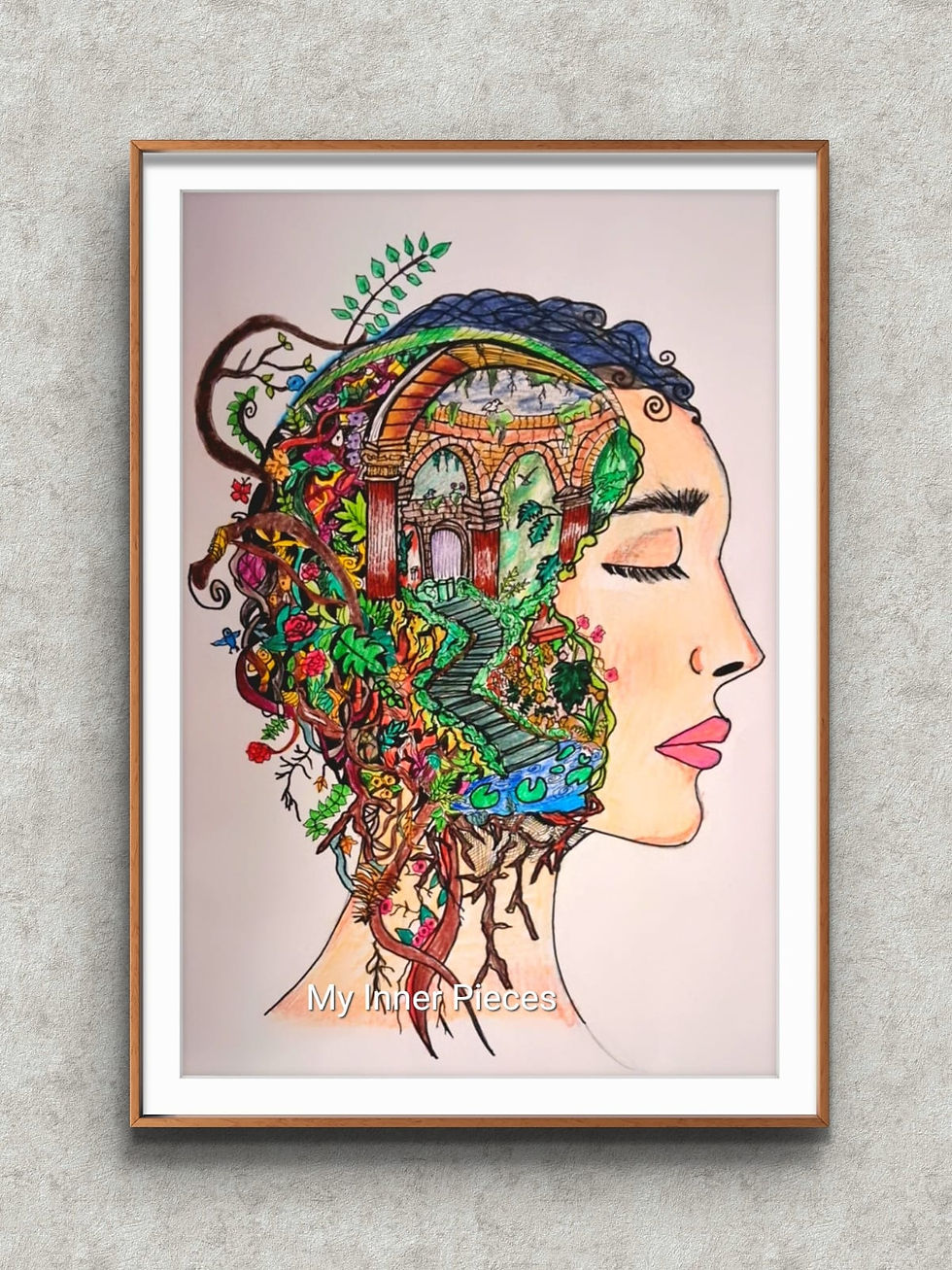
There is no real separation between nature and us. We are part of the same web, whether we remember it or not. Somewhere along the way, our relationship with the world outside became a mere stroll in the park — literally. We go, we look, we photograph ourselves standing in front of something wild. The photo becomes proof that we were there. Yet, the essence of being there itself often gets lost in the act of capturing it.
The Importance of Conscious Living
This is why living consciously and taking responsibility for our actions has become essential. The results of our unconsciousness are glaringly evident — climate change, disappearing biodiversity, oceans thick with plastic, dwindling water supplies, and air we can no longer trust. We see all of this, and still, our response is often limited to buying a bamboo toothbrush or requesting a straw that dissolves a little faster. As if responsibility were something we could complete and check off our lists.
Somewhere in the last century, a particular way of seeing the world took hold. This perspective, obsessed with progress, measurement, and control, has made us efficient. Yet, it has also made us more like machines than we ever intended to be.
The Loss of Wonder
Science reaches further every year, and yet, in that pursuit, it has quietly let go of wonder — the plain, unmeasurable glory of existence. Economics, too, has its own blind spot. It counts money and calls it value. A business tallies its production costs and labels that the price — disregarding the costs to the people nearby, the water table, or the air we breathe. This accounting simply doesn't happen because it was never asked to.
I often wonder what's left of human greatness when life is reduced to mere accumulation. We seem to be leading ourselves toward our own undoing, quietly, one convenient choice at a time. Nature, for its part, continues to respond as it always has — generous beyond reason, yet exact in the end. Every atom it lends, it eventually asks back. This alone should remind us of how deeply connected everything truly is.
The Habit of Division
Human beings have a tendency to draw lines — across land, water, and people, by race, gender, religion, or whatever divides us most conveniently. Nature, however, does not share this habit. It sees everything as continuous. When you pick an apple, you are already holding the tree it came from, the roots beneath that tree, and the leaves that quietly kept making the air you breathe while you weren't looking.
To truly receive what nature offers, we must stop seeing ourselves as separate from it. We need to stop wielding it and start belonging to it instead. That shift, from a generation that consumes to one that restores, feels long overdue. When the connection is intact, something within us settles. A kind of peace moves in, bringing health along with it — the kind that makes it easier to face illness and recover. Joy doesn’t need to be manufactured; it simply grows, as it is meant to. Lying in the grass and feeling the ground beneath you can remind you that you are part of something larger than yourself.
Embracing the Present Moment
Put the phone down when you're standing in the middle of that. Look around instead. Stay grounded in what is actually there. When held long enough, this kind of attention works on you — anxiousness and frustration slowly loosen their grip, making way for something steadier. Intuition sharpens. Even your relationships with others tend to soften and deepen alongside it.
And it doesn’t require grand gestures. Buying only what you need. Keeping a little more green around you than necessary. Noticing the small waste — water left running, a light left on — and simply correcting it. These are quiet actions, but they accumulate to something real. When enough of us make small changes, the larger shift follows.
Closing the Distance
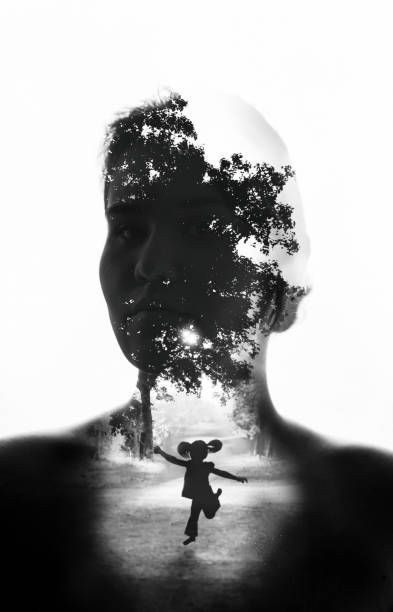
We can close the distance we've created between ourselves and the world. All it takes is remembering that we were never really apart to begin with.
If these reflections resonate with you, you might also enjoy exploring my Nature Diaries collection—a series of illustrations inspired by quiet moments in the natural world.

Comments